

Looking Beyond Rehabilitation: Returning to What Matters Most – by Emily Barnes, Neurological Physiotherapist
At our clinic, we believe successful rehabilitation is about more than reducing symptoms or improving movement – it’s about helping people return to the activities that bring purpose, enjoyment, and meaning to their lives.
One of our clients began physiotherapy at the beginning of this year, following a road traffic accident that resulted in a traumatic brain injury. Following the accident, they experienced challenges with balance, posture, mobility, strength, and confidence in movement, which affected their ability to participate fully in everyday activities and hobbies they had previously enjoyed.
Through a personalised physiotherapy programme, the client has made excellent progress. Improvements in posture, balance, mobility, and overall movement confidence have helped reduce discomfort and increase independence in daily life. As their rehabilitation has progressed, the client has reported feeling that they have returned to their baseline level of balance, posture, and physical function, allowing them to participate in everyday activities with greater confidence and ease. As their rehabilitation has progressed, the focus has shifted from recovery alone to achieving meaningful long-term goals.
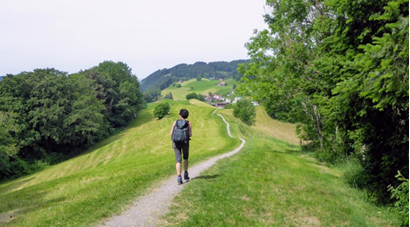
A key goal identified by the client is returning to hiking. Prior to their injury, hiking was a regular and enjoyable activity that provided both physical and mental wellbeing. With this goal in mind, rehabilitation has incorporated activities to improve endurance, dynamic balance, and confidence on varied terrain, helping prepare for a return to outdoor pursuits.
Alongside these physical improvements, the client has achieved important personal milestones, including travelling abroad with a friend, demonstrating increased confidence and independence beyond the clinical setting.
As physiotherapists, our role extends beyond recovery from injury. We aim to support individuals in building the strength, confidence, and resilience needed to maintain their health and wellbeing long after rehabilitation has ended. As part of this client’s ongoing journey, plans are in place to transition into a supervised gym-based exercise programme with our personal trainer. This next stage will focus on further developing strength, stability, and overall fitness, creating a pathway from rehabilitation towards sustained participation in the activities and experiences that are most meaningful to them.
This journey highlights the importance of person-centred rehabilitation. By understanding what is meaningful to each individual, we can help people not only recover from injury but also regain confidence, independence, and the ability to return to the life they want to live.