

ALFESS® Functional Electrical Stimulation (FES)
At our neurological physiotherapy clinic, we are proud to offer the ALFESS® Functional Electrical Stimulation (FES) system, an advanced wearable device designed to improve walking for people experiencing foot drop due to neurological conditions.
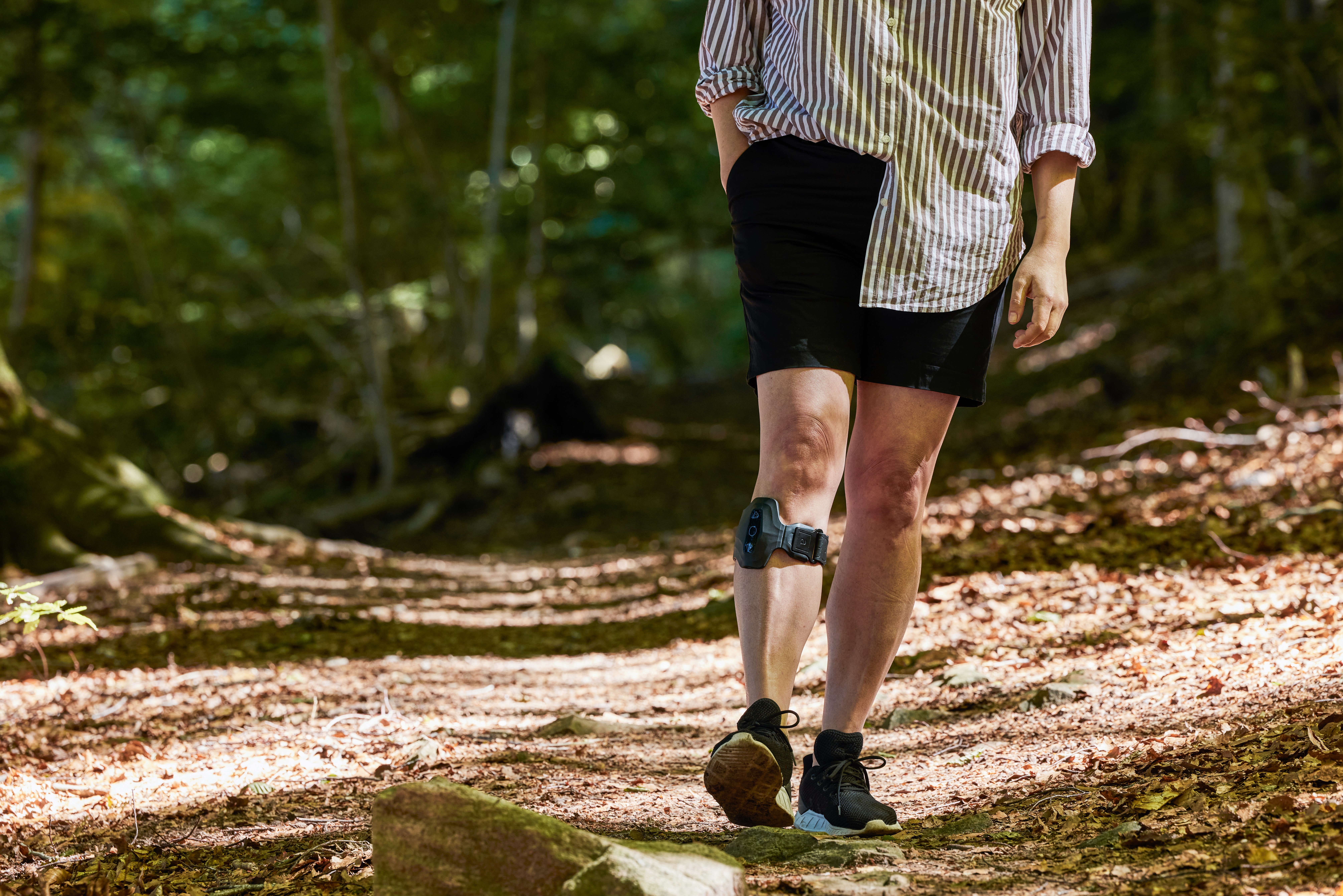
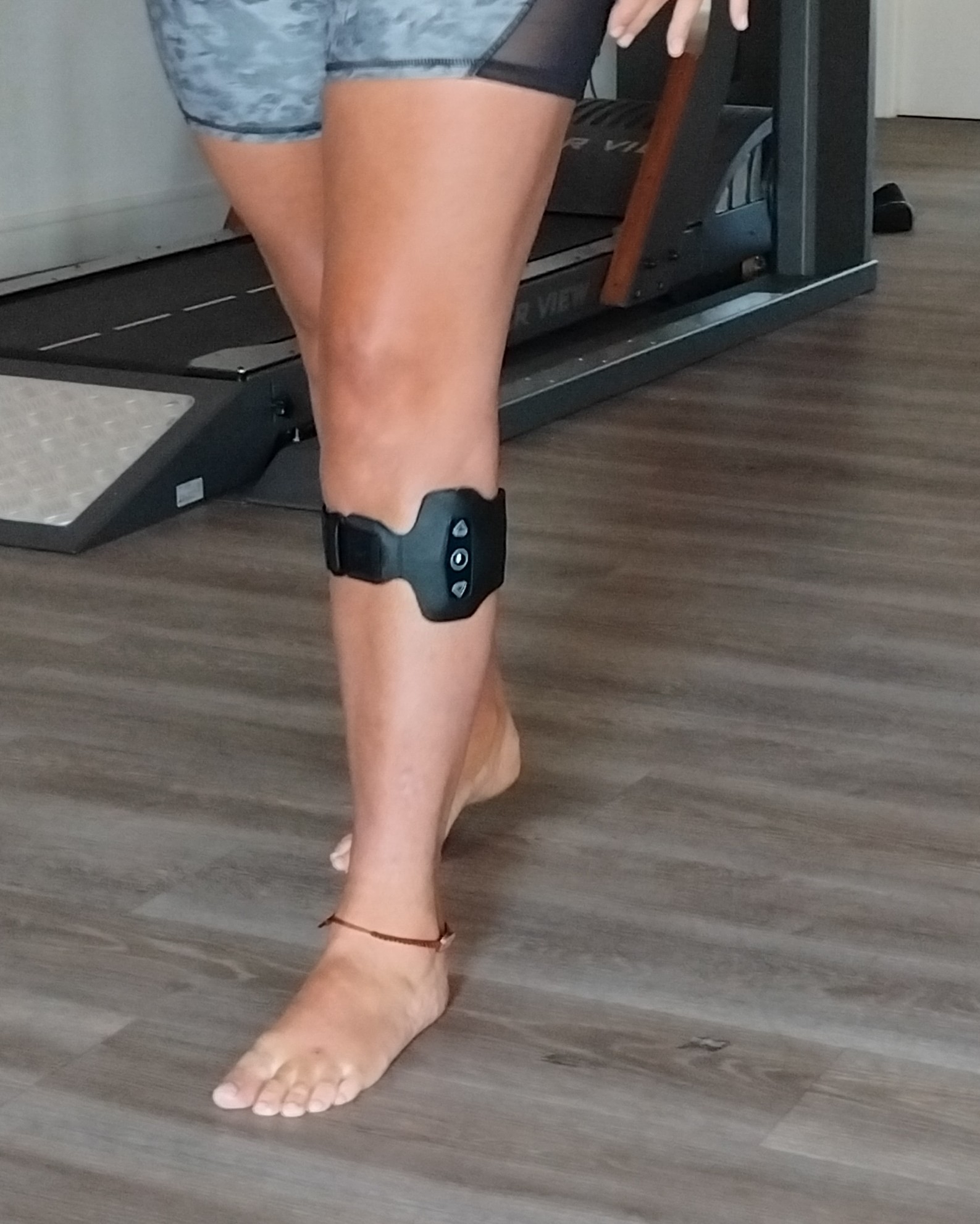
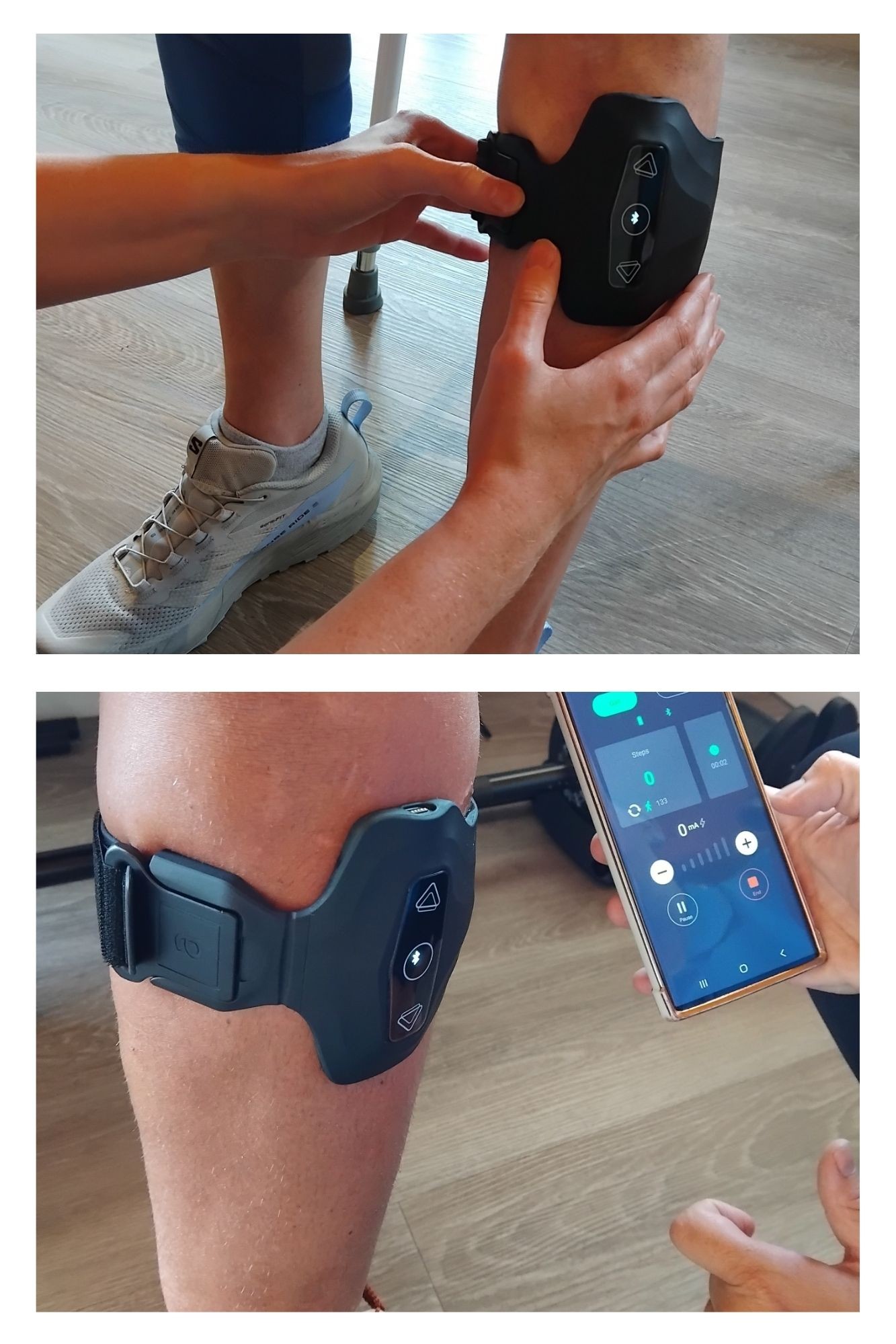
Worn comfortably just below the knee, ALFESS® uses gentle electrical stimulation to activate the muscles responsible for lifting the foot during walking. The device detects movement and delivers precisely timed stimulation, helping to improve foot clearance, promote a more natural walking pattern, and reduce the risk of trips and falls.
Unlike traditional ankle-foot orthoses (AFOs), ALFESS® actively stimulates the body’s own muscles, encouraging movement and supporting functional mobility. Many users report improved walking confidence, greater independence, and increased participation in daily activities. Research has shown that FES can improve walking speed, reduce the effort required for walking, enhance foot clearance, and increase confidence and independence in daily activities. When combined with a personalised physiotherapy programme, FES can support meaningful improvements in mobility and participation for individuals with neurological conditions.
Potential Benefits of ALFESS®
- Improved walking speed and efficiency
- Reduced risk of trips and falls
- Enhanced foot clearance during walking
- Increased confidence and independence
- Reduced fatigue when walking
- Improved participation in work, leisure and community activities
Conditions that may benefit from ALFESS®
- Stroke
- Multiple Sclerosis (MS)
- Acquired Brain Injury
- Cerebral Palsy
- Incomplete Spinal Cord Injury
- Other neurological conditions affecting walking and foot clearance
Assessment and Fitting Process
Our specialist neurological physiotherapists will carry out a comprehensive assessment to determine whether the ALFESS® device is suitable for your individual needs, walking pattern, and rehabilitation goals. During this assessment, we will evaluate your mobility, muscle function, and suitability for Functional Electrical Stimulation (FES).
If ALFESS® is identified as an appropriate treatment option, the device can be purchased directly through Allard UK. Once received, we will arrange a fitting appointment to programme and customise the device to your specific requirements. Our team will provide education, training, and ongoing support to ensure you are confident using the device and achieving the greatest possible benefit from your treatment.
Why Choose Neurotherapy Worx?
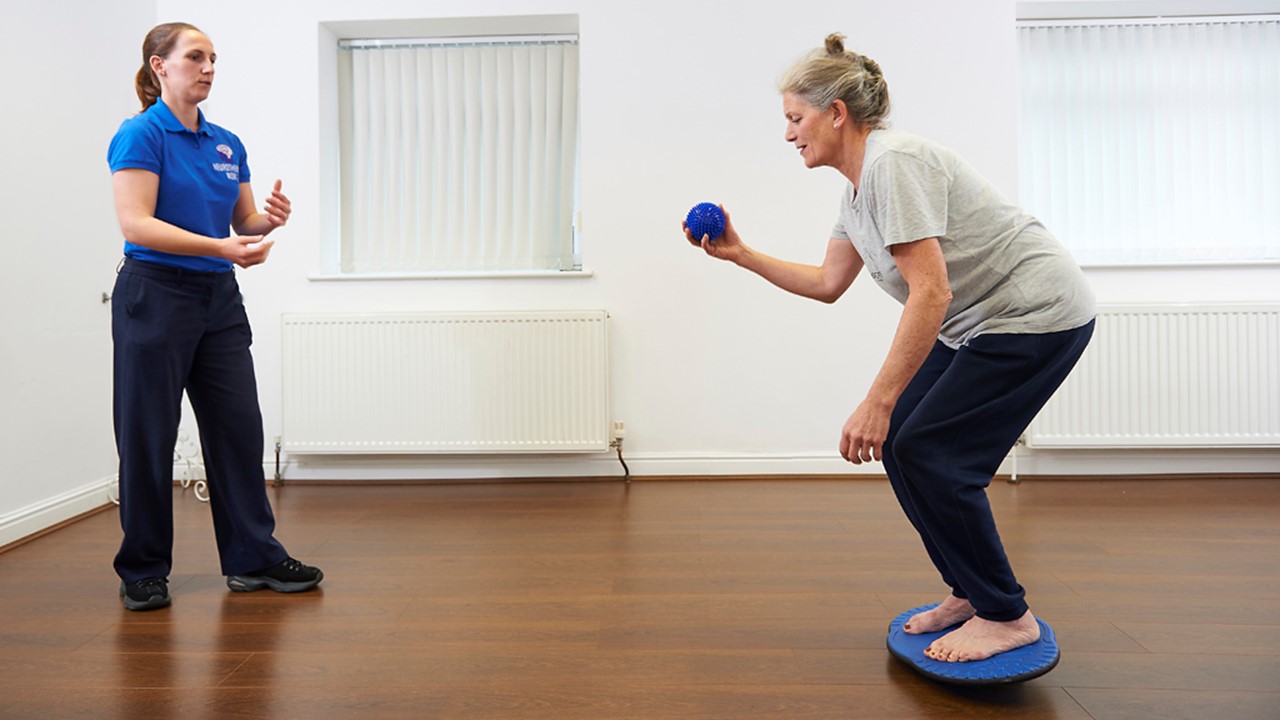
Our specialist neurological physiotherapists have extensive experience in neurological rehabilitation and Functional Electrical Stimulation. We provide comprehensive assessment, fitting, education and ongoing support to determine whether ALFESS® is suitable for your individual needs. By combining advanced technology with evidence-based physiotherapy, we develop personalised treatment plans that maximise the benefits of FES, improve functional mobility, and help you achieve meaningful rehabilitation goals.
If you would like to learn whether ALFESS® could help improve your mobility, contact our team to arrange a specialist assessment.
Use the contact form at the end of this page or email [email protected]
How Does Neurotherapy Treatment Work?
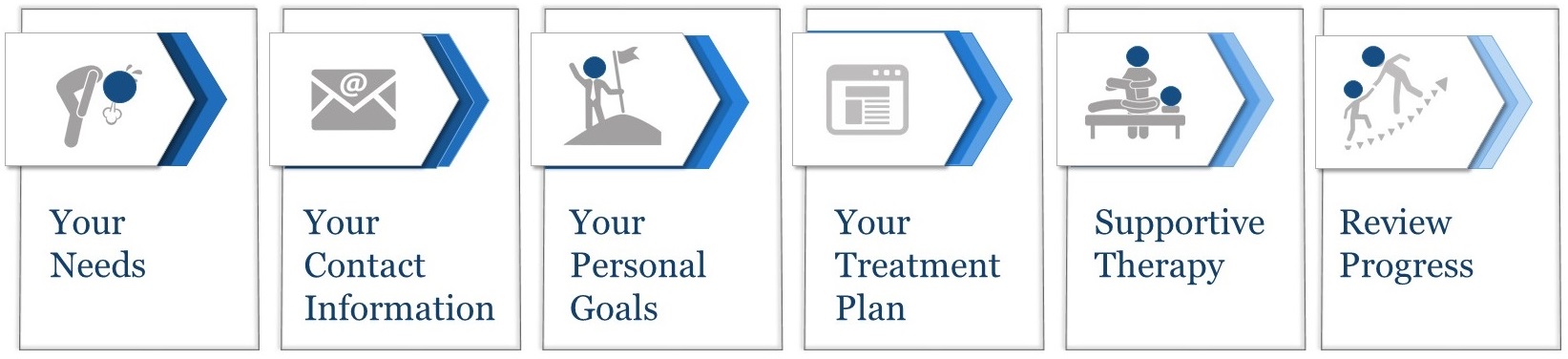
We hold a brief conversation with you about what problems you struggle with and how you need help
We capture your personal details, discuss the costs and timings and arrange an appointment
During your first appointment, you share your goals with us and we conduct a physical assessment
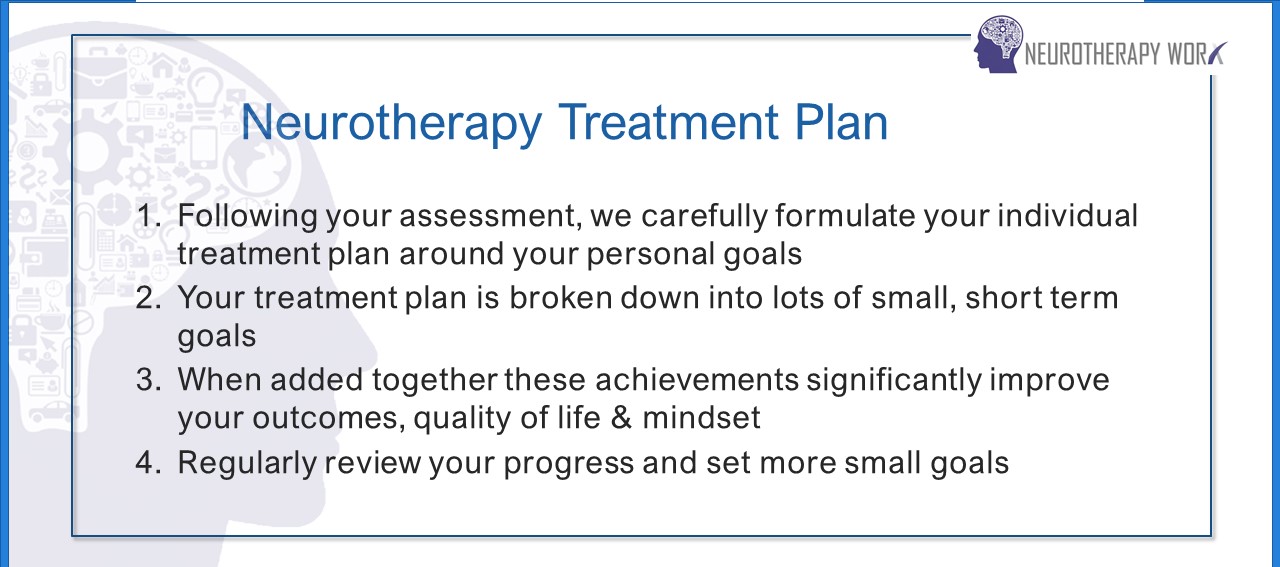
We work with you to build a personalised treatment plan, during a scheduled period of intervention
We may prescribe some exercises to help you to address weakness, move more efficiently and improve your quality of life
We regularly review your progress and adjust your goals as you make improvements
What’s a Treatment Plan?
Why Work With Our Team?
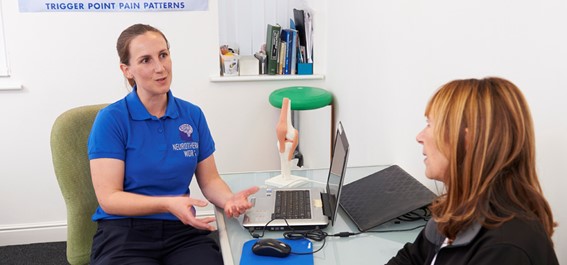
Patient Centric
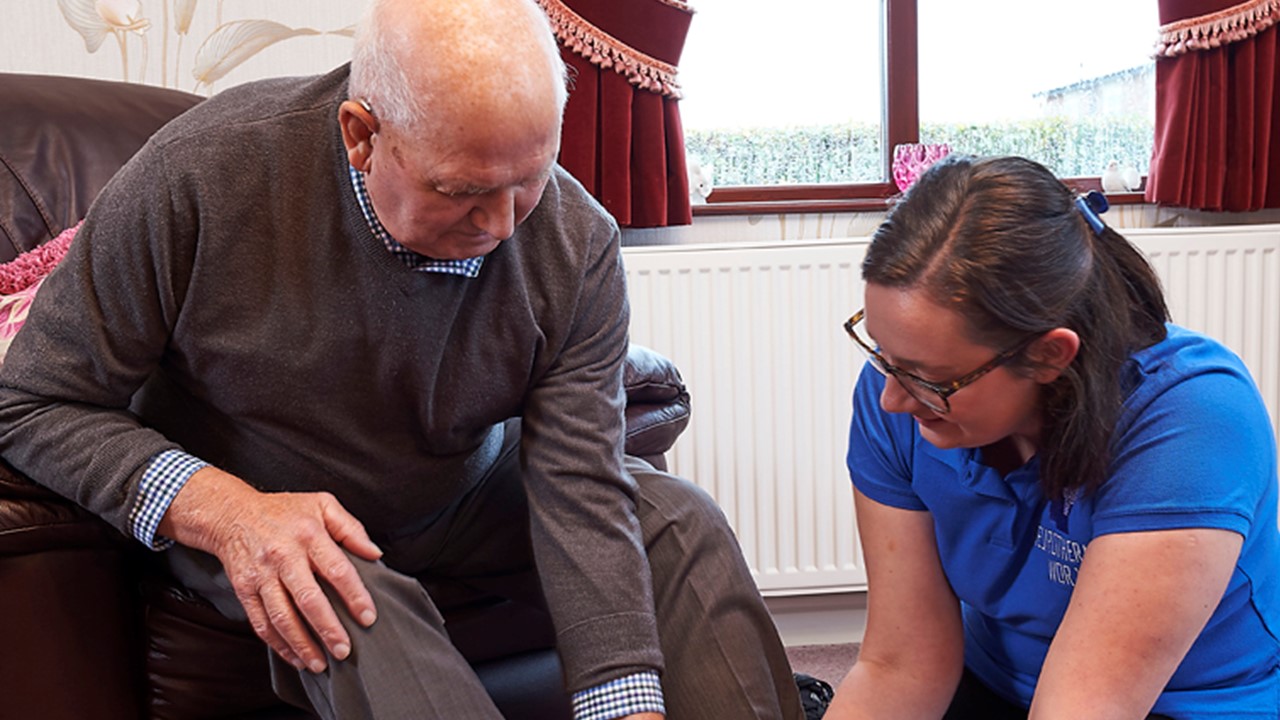
Motivational, personalised and tailored care, based on your individual goals and fully adapted to your abilities
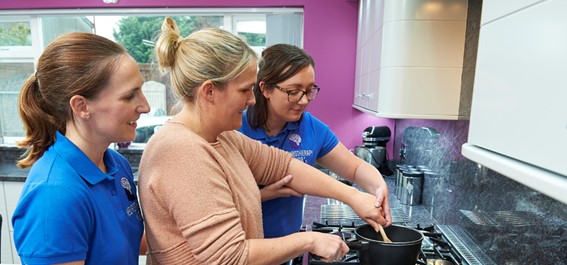
Multi Skilled Team
Our expert team work together when required, fully communicating to deliver the fastest and best outcomes
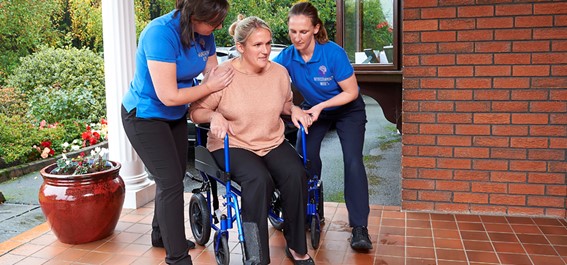
Fully Experienced
With extensive, hands on practical career experience of working in hospitals, clinics and the community
Why Trust Us for Your Treatment?

Qualified Specialists
Fully HCPC, CSP, Physio First, CPD, DBS accredited with proof of up date memberships upon request. We’re member of the aquatic therapy association of chartered physiotherapists (ATACP) and association of paediatric chartered physiotherapists (APCP) and association of chartered physiotherapists in neurology (ACPIN).

Innovative Therapies
By staying ahead of cutting edge industry treatments, we bring you new and unique support and options. We believe in staying ahead of technical advances within our industry to deliver the best levels of care. We research and use the latest medical devices to support our neurological therapies. See our therapies pages for more information.

Trust Us with your Data
We’ve invested in the latest, GDPR compliant IT systems for accurate patient record keeping. Our systems match the stringent data protection standards within the healthcare industry, enabling us to communicate fluidly with your other care providers and deliver collaborative care.
Neurological Problems We Help With
Walking Issues

Balance Problems
Coordination Problems
Visiospatial Disfunction
Sensory Loss

Falls
Fatigue

Pain

Spasticity
Body Alignment

Range of Movement

Reduced Muscle Tone
Neurological Conditions We Support
• Alzheimer’s Disease
• Balance Problems
• Brain Injury
• Brain Tumours
• Cerebral Palsy
• Dementia
• Functional Neurological Disorder
• Guillain-Barré Syndrome
• Hereditary Ataxias
• Motor Neurone Disease
• Multiple Sclerosis
• Muscular Dystrophy
• Parkinson’s Disease
• Peripheral Neuropathy
• Spinal Deformity and Injury
• Stroke
What Does Tailored Care Mean?